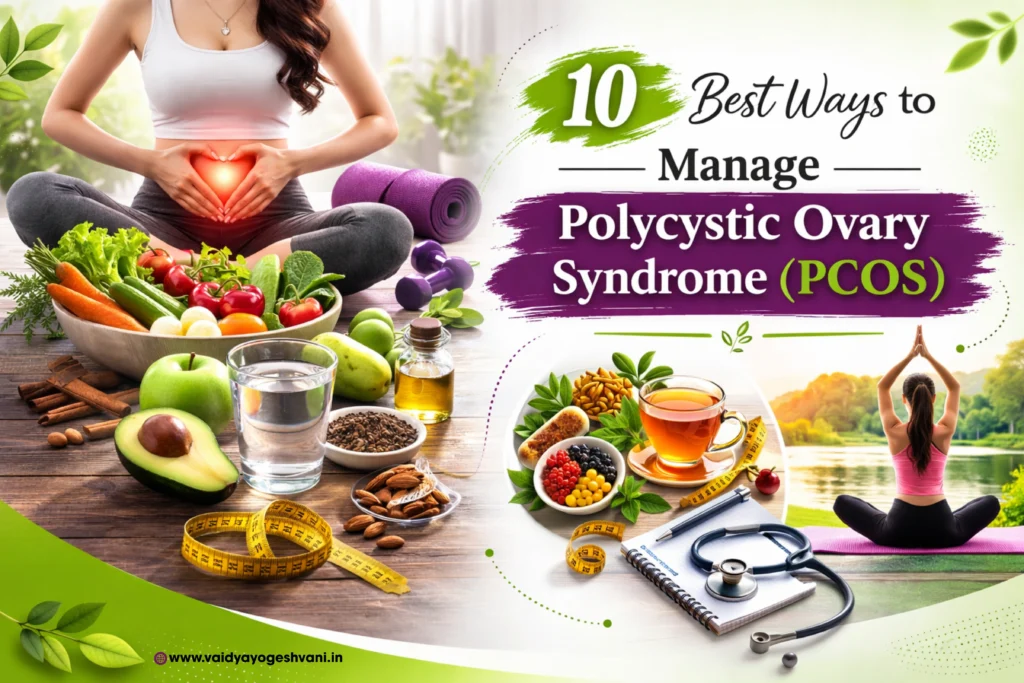
Polycystic Ovary Syndrome (PCOS) is a common endocrine disorder affecting women of reproductive age worldwide. It impacts millions of women and is associated with symptoms such as irregular periods, weight gain, acne, excess hair growth, difficulty conceiving, and mood changes.
While PCOS cannot be cured permanently, it can be managed effectively with a proper mix of lifestyle modifications, medical guidance, and self-care. Knowledge of natural and medical treatment for the management of PCOS can greatly enhance the quality of life and long-term outlook for health.
In this article, we discuss 10 evidence-based strategies to manage PCOS effectively and sustainably. with a focus on sustainable habits and evidence – based strategies, along with practical tips that can help you.
Causes and Hormonal Imbalance in PCOS
Polycystic Ovary Syndrome is a hormonal disorder that causes the ovaries to make more androgens (male hormones) than normal. This hormonal disruption can disrupt your ovulation and result in many cysts forming on your ovaries.
Common Symptoms of PCOS
- Irregular or missed periods
- Gaining weight or having trouble losing weight
- Oily skin and acne
- Excessive facial or body hair
- Scalp hair loss
- Tiredness and mood swings
- Trouble getting pregnant
Why Early Diagnosis is Important
Early diagnosis and intervention are essential to the prevention of long-term complications such as type 2 diabetes, cardiovascular disease, and metabolic syndrome.
10 Practical Steps to Control Polycystic Ovary Syndrome (PCOS)
1. Follow a Balanced, PCOS-Friendly Diet
Managing PCOS through diet is one of the best ways you can make a difference. Because insulin resistance is so prevalent in PCOS, choosing the right foods can help you manage your blood sugar as well as your hormones.
The best diet tips for PCOS are:
- Opt for whole, unrefined foods
- Eat lean protein such as fish, eggs, and beans
- Add healthy fats, such as olive oil, nuts, or seeds.
- Eat more fiber from vegetables and whole grains
- Cut back on refined carbs and added sugars
A low-glycemic-index (GI) diet can also help to reduce insulin spikes and may help you
ovulate more regularly and alleviate symptoms of PCOS in the long term.
2. Maintain a Healthy Weight

A small reduction of 5–10% in body weight can have a positive impact on PCOS symptoms, particularly for women who are overweight.
Weight management aids in:
- Increase insulin sensitivity
- Control menstrual cycles
- Lower androgens
- Increase fertility
Aim for slow, steady weight loss instead of fad diets. Consistency trumps perfection when it comes to PCOS management.
3. Exercise Regularly

Exercise is one of the most powerful tools for PCOS management. Exercise Regular physical activity can help to regulate hormones: It can improve insulin sensitivity and mental health.
Top Exercises for PCOS:
- Brisk walking or jogging
- Strength training
- Yoga or Pilates
- Cycling or swimming
Get at least 30 minutes of moderate exercise on five days each week. When it comes to PCOS, doing cardio and strength training together can bring the best results.
4. Manage Stress Effectively
Long-term stress raises cortisol, which can contribute to worsening hormonal imbalance in PCOS. The importance of stress management is underappreciated, yet vital for symptom control.
Effective stress-relief techniques include:
- Meditation and mindfulness
- Deep breathing exercises
- Journaling
- Enough sleep
- Cut down on caffeine
Decreasing stress has the double benefit of making you feel better mentally and helping your body better regulate your hormones.
Read More: How to Select the Best Ayurvedic Doctor & Clinic for Your Health
5. Prioritize Quality Sleep
Insulin resistance can be worsened by bad sleep, which also makes you crave more food and messes with your hormones. Women with PCOS should get 7–9 hours of good-quality sleep a night.
Sleep tips for PCOS:
- Keep a regular sleep schedule
- No screens before bed
- Develop a relaxing bedtime ritual
- Reduce sugar and caffeine at night
Quality sleep promotes a healthy metabolism, mood, and reproductive system.
6. Consider Medical Treatment Options
While lifestyle modifications are important, treatment for some women to control the symptoms of PCOS will also involve medication.
Typical treatments for PCOS are the following:
- Hormonal birth control to help regulate periods
- Drugs to make the body more sensitive to insulin
- Acne or hair growth products
- Fertility drugs, if you’re trying to get pregnant
You should always talk to a healthcare professional before taking or changing any medications.
7. Monitor Blood Sugar Levels

What is really at the root of PCOS is insulin resistance. Stabilizing blood sugar can improve symptoms and decrease the risk of diabetes.
How to promote healthy blood sugar:
- Include protein and fiber in your meals
- Don’t skip meals
- Cut back on sugary snacks and drinks
- Be physically active
Routine visits to the doctor can be used to monitor progress and prevent complications.
8. Use Supplements Wisely
Certain supplements may help improve PCOS symptoms when used alongside a healthy lifestyle.
Common supplements for PCOS management include:
- Inositol – May improve insulin sensitivity and support regular ovulation.
- Vitamin D – Helps regulate hormonal balance, especially in women with a deficiency.
- Omega-3 fatty acids – May reduce inflammation and support metabolic health.
- Magnesium – Can support blood sugar control and reduce stress levels.
Supplements should never replace medical advice. Always discuss supplementation with a healthcare provider.
9. Track Menstrual Cycles and Symptoms
Monitoring your periods and symptoms can help you learn more about your body and notice patterns that are specific to you and your PCOS.
Benefits of monitoring include:
- Early identification of erratic cycles
- Improved doctor communication
- Better fertility planning
- Awareness of symptom triggers
Numerous apps and journals make cycle tracking straightforward and productive.
10. Build a Long-Term PCOS Management Plan
PCOS management is not about quick fixes—it’s about long-term lifestyle adjustments. Creating a personalized plan can help you stay consistent and motivated.
A strong PCOS plan includes:
- Balanced nutrition
- Regular physical activity
- Stress management
- Medical follow-ups
- Emotional support
Joining PCOS support groups or working with a nutritionist can provide guidance and encouragement.
Are you looking for PCOS treatment in Ayurveda? It focuses on naturally balancing hormones through herbal remedies, personalized diet plans, detox therapies, and lifestyle changes to support menstrual regularity, improve metabolism, and promote long-term hormonal health.
Conclusion
Living with Polycystic Ovary Syndrome (PCOS) can be tough, but the good news is that PCOS is treatable. With an appropriate dosage of lifestyle changes (diet & exercise) along with stress management and medical supervision, many can manage their symptoms and live healthy, fulfilling lives.
Each woman’s experience with PCOS is different. Everyone responds to treatment a little differently, so what works for one person may not work for another – that’s why it’s so important to take a personalized, holistic approach. Heeding your body, arming yourself with knowledge, and finding the right professional help can make all the difference in the world for long-term PCOS management.
At vaidyayogeshvani.in, the focus is on empowering women with reliable information, natural wellness insights, and practical lifestyle guidance for managing hormonal health conditions like PCOS. The platform aims to bridge traditional wisdom with modern understanding, helping individuals make informed decisions about their health in a safe and balanced way.