
Dr. Yogesh Vani

10 Proven Tips to Manage Psoriasis Flare-Ups Naturally

10 Proven Tips to Manage Psoriasis Flare-Ups Naturally (India Guide)

Psoriasis flare-ups can be frustrating; your skin may suddenly feel itchy, inflamed, dry, or painful even after weeks of improvement. If you’re dealing with recurring flare-ups, you’re not alone. Many psoriasis patients in India experience symptoms that worsen with stress, seasonal changes (especially winter dryness), infections, or lifestyle triggers.

Managing psoriasis flare-ups can be easily done by identifying trigger points and following simple lifestyle changes, which include replacing chemically harsh daily skin care, like moisturisers and body soaps, with milder and natural ones. A simple change in dietary habits, sleep cycle and stress management practices is significant in reducing flare-up instances.

In this guide, we’ve provided you with 10 tips for managing psoriasis flare-ups, along with trigger points, red flags and treatment plans. To make it more convenient, we’ve drawn a simple 7-day daily plan to control psoriasis flare-ups.

What Causes Psoriasis Flare-Ups? (Triggers Explained)

A psoriasis flare-up is a period when psoriasis symptoms worsen due to triggers like stress, weather changes, infections, skin irritation, or lifestyle factors.

A psoriasis flare-up is a phase when symptoms become more active or severe. Psoriasis is a chronic inflammatory skin condition, which means it often moves in cycles:

  • Remission: symptoms reduce or stay under control
  • Flare-up: symptoms worsen (more redness, scaling, itching, cracking)

These flare-ups happen when the immune system becomes overactive and speeds up skin cell growth.

As a result, skin cells build up quickly on the surface instead of shedding normally.

Common triggers include stress, cold weather, skin injury, infections, certain medicines, and smoking.
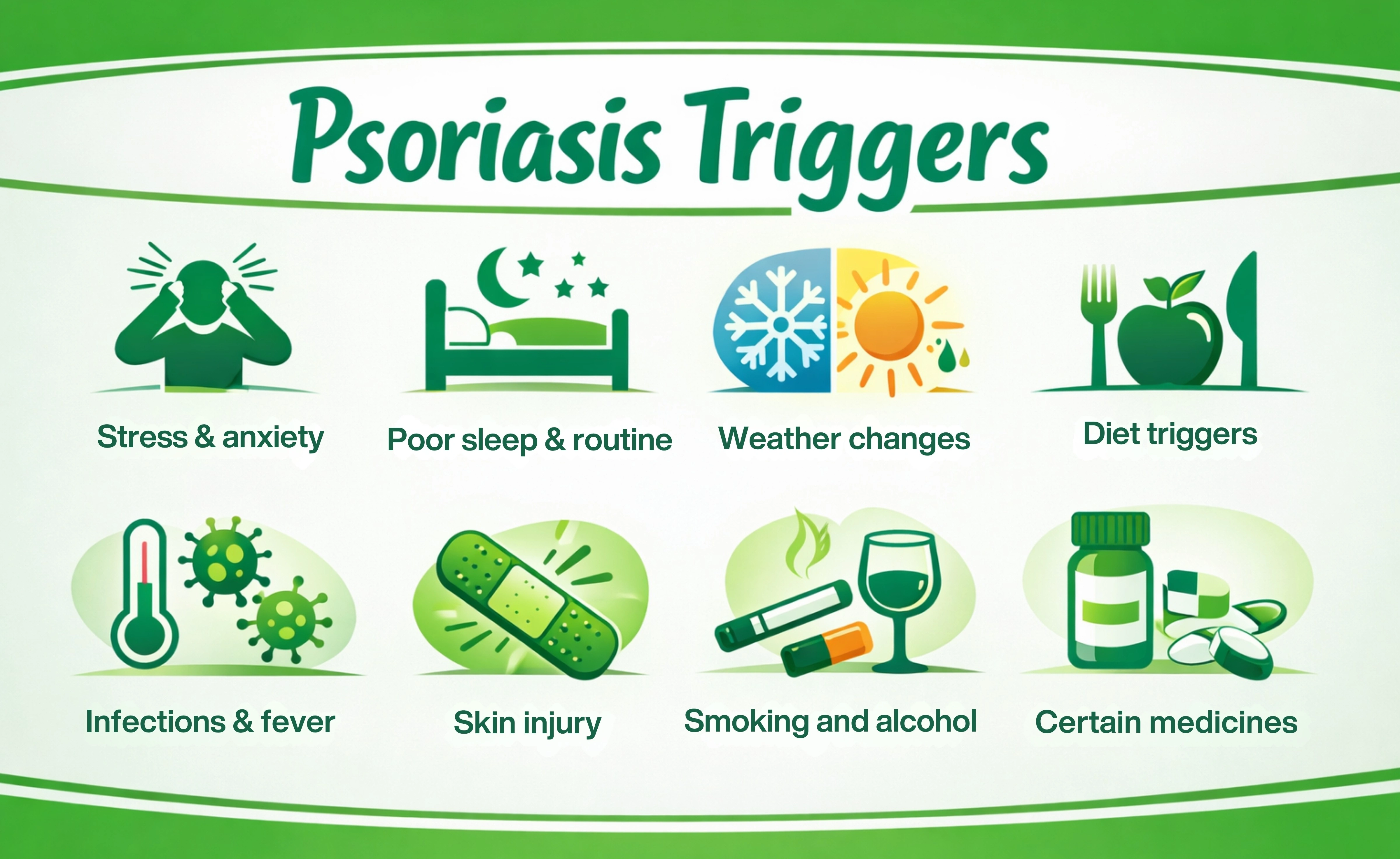
Psoriasis Triggers (Especially in India)

Psoriasis triggers are common and can occur at any random moment. If you want long-term control, the first step is learning what triggers your flare-ups. Triggers can have different effects and can vary from person to person, but the ones mentioned in this session are the ones commonly reported in India.

1) Stress, anxiety, and emotional overload

Stress is one of the most common flare triggers. Exams, work pressure, family responsibilities, and lack of downtime can worsen inflammation in the body.

2) Poor sleep and irregular routine

For a healthy lifestyle and good health proper sleep cycle is essential.Β  Late nights, poor-quality sleep, and inconsistent meal timing can affect immunity and increase flare chances.

3) Weather triggers: winter dryness + summer sweat

  • Winter: dry air can worsen scaling and cracking
  • Summer: sweating and friction can irritate patches
  • Monsoon humidity may worsen discomfort in skin folds and scalp

4) Diet triggers

For many people, flare-ups worsen when they consume spicy food, oily and fried food, processed junk food or excess sugar and alcohol.

5) Infections and fever episodes

It is essential to make sure that patients suffering from psoriasis are careful of any kind of infection. Because throat infections or fever can trigger flare-ups in some patients.

6) Skin injury and friction

Any injury and friction such as cuts, scratches, shaving burns, tight clothing, or repeated rubbing, can trigger new patches. These can be painful as well as aggravate the already existing psoriasis condition.

7) Smoking and alcohol

Smoking and alcohol are,, anyway, injurious to health. But for someone suffering from psoriasis, these bad habits can worsen inflammation and slow skin healing.

8) Certain medicines

Allergic reactions or sudden triggers due to certain medicines are common. Some medicines may aggravate psoriasis for certain people allergic to the chemical compound used in the medicine or for any other valid reason. Thus, don’t stop or take any medicine suddenly; always discuss with a qualified doctor.

If you are looking for effective care, explore Ayurvedic psoriasis treatment Jaipur for natural healing, personalised therapies, and long-term relief from recurring flare-ups and skin discomfort.
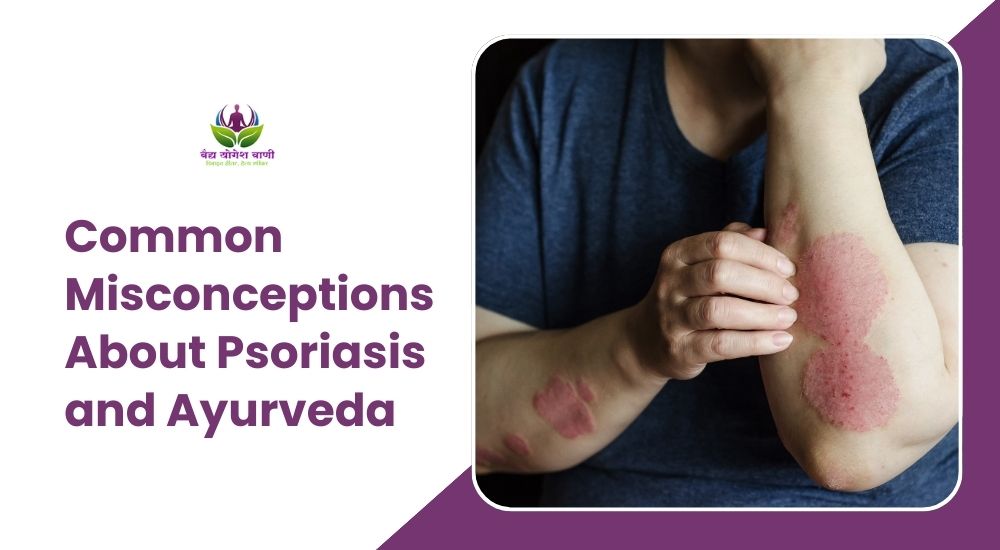
Take Control of Your Psoriasis Flare-Ups Today

Managing psoriasis doesn’t have to feel overwhelming. With the right routine, personalised care, and expert guidance, you can reduce flare-ups and improve your skin health naturally. Start your journey towards healthier skin with simple, consistent changes today.

Tips for relief during Psoriasis flare-ups

Skincare, dietary habits and lifestyle changes are the foundation of psoriasis flare management. These tips help reduce dryness, itching, and irritation.

Tip 1: Moisturise like it’s part of the treatment

Moisturising supports the skin barrier, reduces itching, and prevents cracks. So, in case you’re looking for the best moisturiser for psoriasis and psoriasis itching relief, then look for moisturisers that are fragrance-free and are made for sensitive, oily or dry skin.Β 

How to do it right:

  • Apply moisturiser within 3-5 minutes after bathing
  • Reapply 2-3 times daily during flare-ups
  • Focus on elbows, knees, hands, feet, and any thick patches

Tip 2: Follow a gentle bathing routine (avoid hot water)

While taking a bath, we tend to ignore the most basic things, like using hot water instead of lukewarm water for bathing. Using chemical soaps and body wash without checking their long-term effects on the skin. And the most ignorant habit includes harsh rubbing from a towel on dry skin after taking a bath. Hot water and harsh soaps can worsen dryness.

Better routine:

  • Use lukewarm water
  • avoid long showers
  • Use mild, fragrance-free cleansers
  • pat skin dry (don’t rub)

Tip 3: Avoid scratching and reduce friction

Scratching may feel relieving for a moment, but it often worsens irritation and can trigger new patches.

Practical anti-scratch tips:

  • Keep nails trimmed
  • wear soft, breathable cotton
  • avoid tight waistbands or rough fabrics
  • Use a cold compress for intense itching
  • Keep skin moisturised to reduce itch signals

Tip 4: Scalp psoriasis care basics

Scalp psoriasis flare-ups are common and uncomfortable. But if you notice oozing, infection-like crusting, or severe pain, consult a doctor.

Simple scalp routine:

  • Use a gentle, medicated or dermatologist-recommended shampoo (as advised)
  • Don’t scrape scales aggressively
  • comb gently after softening with oil (if suitable for you)
  • Avoid harsh hair products during flare-ups

Tip 5: Stress management that works in real life

Psoriasis flare-ups due to stress are common. A proper stress management routine in daily day-to-day life is best to reduce psoriasis flare-ups naturally. You don’t need complicated routines. Start simple:

  • 10-15 minute daily walk
  • breathing practice for 3-5 minutes
  • gentle yoga/stretching
  • short breaks between work tasks
  • journaling or talking to someone supportive

Tip 6: Improve sleep quality

Proper 7-8 hours of sleep daily is a must for the proper functioning of the body organs. Likewise, your sleep quality also helps the healing of your skin. Sleep affects inflammation and healing.

Simple sleep hygiene:

  • fixed bedtime and wake-up time
  • Reduce screen time 30-60 minutes before bed
  • keep the room cool (especially for itchy nights)
  • Avoid heavy, spicy meals late at night

Tip 7: Exerciseβ€”but manage sweat and friction

Movement supports mood, weight balance, and inflammation control.

Best approach is to choose low-impact exercise like walking, cycling, yoga, shower and moisturising the body or affected area soon after sweating, wear breathable fabrics and avoid intense friction areas (like inner thighs, waist folds)

Tip 8: Hydration for skin comfort (especially in Indian summers)

Dry skin worsens itching and cracking. Aim for steady hydration across the day. In heat, dehydration increases skin irritation, so focus on fluids and balanced meals.

Tip 9: Build an anti-inflammatory plate (India-friendly)

Healthy food and diet are the best options for anti-inflammatory food for psoriasis, which is best for long-term relief. Instead of following extreme diets, focus on a balanced plate:

  • seasonal fruits and vegetables
  • dal, pulses, and protein sources
  • nuts and seeds (if tolerated)
  • omega-3 sources (as per diet preference)
  • simple home-cooked meals

Tip 10: Foods to limit during flare-ups (personalise based on triggers)

Triggers are individual. Use your flare journal to learn what affects you most. But to make it simple for you to understand, here are some Common flare triggers for many, including the consumption of processed food, spicy food, unhealthy, oily and fried junk food, alcohol, excess sugar, and soft drinks.

For long-term relief, explore Ayurvedic treatment for psoriasis, focusing on root-cause healing, personalised care, and natural therapies that help reduce flare-ups and improve overall skin health.

When Should You See a Doctor for Psoriasis?

Flare-ups can often be managed at homeβ€”but some situations need immediate medical attention. To identify these situations, there are some red flags. Make sure not to ignore them and consult a Doctor.Β 

Red flags: don’t ignore these

  • patches spreading rapidly
  • severe pain, pus, or fever
  • deep cracks with bleeding
  • Symptoms not improving or worsening despite care
  • eye irritation (rare but important)
  • joint pain/stiffness (possible psoriatic arthritis)

Psoriasis Treatment Options (Overview)

High-Level (Modern Medicine)Supportive Approach (Ayurvedic Perspective)
Topical treatments (creams/ointments)Digestion and lifestyle correction
PhototherapyPersonalised diet guidance
Oral/systemic medicines (for moderate/severe cases)Stress support
Supportive care and lifestyle changesTherapies and herbal care under supervision

Note: Psoriasis is chronic. Consistent management usually works better than switching solutions frequently.

To understand symptoms and root causes better, read our detailed guide on plaque psoriasis causes, symptoms, and treatment for better awareness and effective long-term management.

A Simple 7-Day Psoriasis Flare Management RoutineΒ 

If you feel overwhelmed, and psoriasis triggers keep flaring up constantly, then making a few habitual lifestyle changes will help in long-term management of these psoriasis flares. Follow this easy routine to bring structure.

Morning (5-10 minutes)Afternoon (2 minutes)Evening (15-20 minutes)
Check skin briefly (itching/redness)HydrateLukewarm bath
MoisturizeAvoid scratching; use a cold compress if neededGentle cleanse
Drink waterQuick stress check (1-10)Moisturize immediately
3 minutes breathing or a short walkScalp care routine if neededΒ 

Weekly check-in (end of day 7)

  • review trigger journal
  • Note the top 2 triggers
  • plan 1 change for the next week (example: less spicy food + earlier bedtime)

Common Mistakes That Make Flare-Ups Worse

Psoriasis flare-ups don’t occur frequently unless there are some major lifestyle changes that are triggering flare-ups. Avoid these common habits that often increase flare intensity:Β 

  • Stopping treatment too early once symptoms reduce
  • using harsh soaps or scrubbing scales aggressively
  • trying random home remedies without patch testing
  • ignoring stress and sleep
  • eating trigger foods repeatedly during an active flare
  • too much sun exposure or wrong timing (sun can help some, worsen others)

Conclusion

To conclude, it is safe to say that psoriasis flare-ups are common and can be triggered by simple day-to-day habits. Managing these flare-ups can again be achieved by simply following a few lifestyle changes. Basics like gentle skin care, better sleep cycle, and stress management sound simple, but have effective and visible results in reducing the psoriasis flare-up events. Apart from these, we have already mentioned about 10 basic tips for managing psoriasis flare-ups.Β Β 

If your symptoms worsen quickly or you develop joint pain, consult a qualified doctor for proper evaluation.

Frequently Asked Questions

What is the fastest way to calm a psoriasis flare-up?

The quickest relief usually comes from reducing irritation and dryness: moisturise frequently, take lukewarm baths, avoid scratching, and use doctor-recommended treatments consistently. Also, reduce trigger exposure (stress, spicy/fried foods, alcohol) during the flare.

Common triggers in India include winter dryness, summer sweating and friction, stress, irregular sleep, spicy and fried foods, alcohol, infections (like throat infections), and skin injury from scratching or shaving.

Some people find coconut oil soothing for dryness, but it may not suit everyone, especially if your skin is very sensitive or if scalp build-up worsens. Patch test first and stop if irritation increases. For severe flare-ups, follow medical guidance.

Many people benefit by limiting very spicy foods, fried snacks, alcohol, sugary foods, and ultra-processed items. However, triggers are individual. A flare journal helps identify what affects you personally.

Moisturise before bed, keep the room cool, wear soft cotton clothing, and avoid hot showers at night. A cold compress can reduce itching. If itching is severe or affects sleep regularly, consult a doctor.

Yes, stress is a common trigger. It can increase inflammation and worsen itching. Even small daily stress-control habits, such as breathing exercises, walking, and a fixed sleep routine, can help reduce flare frequency over time.

Scroll to Top