In Ayurveda, good health is not only the absence of disease. It is a balance of digestion, energy, sleep, mind, immunity, and daily routine. When this balance is disturbed for a long time, the body may start showing small warning signs.
Many people ignore these signs until they become stronger. Frequent acidity, constipation, fatigue, poor sleep, skin issues, body stiffness, stress, and low energy may indicate that your body needs deeper care.
Panchakarma therapy is one of the most respected Ayurvedic detoxification treatments. It is designed to support internal cleansing, balance doshas, improve digestion, and promote better health through personalized Ayurvedic procedures. But Panchakarma is not a general spa treatment. It should be planned according to your prakriti, health condition, age, strength, season, and medical history.
This blog explains 10 signs you may need Panchakarma therapy for better health, along with safety tips and common patient questions.
1. Frequent Digestive Problems
Poor digestion is one of the most common reasons people consider Panchakarma treatment. If you often experience acidity, bloating, gas, constipation, indigestion, heaviness after meals, or irregular bowel habits, your digestive fire may need support.
In Ayurveda, weak digestion can lead to ama buildup. Ama is often described as undigested metabolic waste. Panchakarma therapy may help support digestive balance when guided by an Ayurvedic doctor.
2. Constant Tiredness and Low Energy

If you feel tired even after proper sleep, your body may be under internal stress. Constant fatigue, dullness, lack of freshness, and low motivation may indicate that your system needs rest, nourishment, and cleansing.
Panchakarma therapy for better health may help support natural energy by improving digestion, routine, sleep, and dosha balance. However, medical causes like anemia, thyroid issues, diabetes, or vitamin deficiency should also be checked.
3. Heaviness in the Body
Many people feel body heaviness, laziness, stiffness, and slow movement even without heavy physical work. This may be linked with poor digestion, sedentary lifestyle, excess kapha, or toxin-like buildup as understood in Ayurveda.
Ayurvedic detoxification treatment may be considered when heaviness continues despite diet correction, exercise, and rest. Panchakarma is often planned with diet, massage, sweating therapy, and cleansing procedures.
4. Recurring Skin Issues
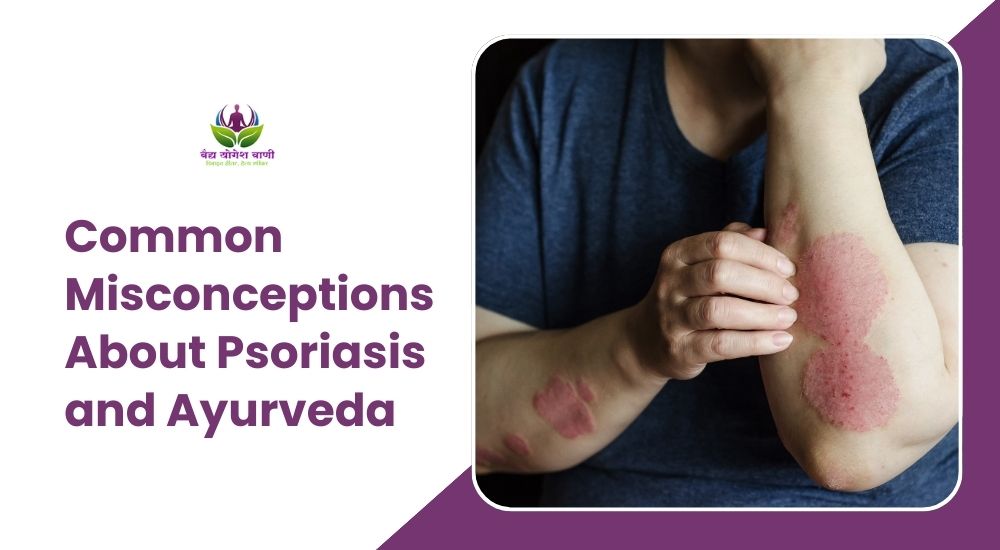
Skin health is closely linked with digestion, blood purity, metabolism, and lifestyle in Ayurveda. Repeated acne, itching, dull skin, rashes, pigmentation, or inflammatory skin concerns may indicate internal imbalance.
Panchakarma therapy may be recommended in selected skin conditions after consultation. The treatment plan may include diet correction, herbs, internal cleansing, and lifestyle changes. Severe skin conditions should also be evaluated by a qualified medical professional.
Also Read: 10 Proven Tips to Manage Psoriasis Flare-Ups Naturally (India Guide)
5. Poor Sleep and Mental Restlessness
Stress, overthinking, disturbed sleep, irritability, and mental fatigue are common problems today. If your mind feels restless and sleep does not refresh you, your body-mind balance may need attention.
Ayurvedic therapies like Abhyanga, Shirodhara, Nasya, and lifestyle correction may support relaxation in suitable cases. Panchakarma treatment should be planned carefully if anxiety, depression, or sleep disorder is severe.
6. Joint Stiffness and Body Pain
Frequent joint stiffness, back pain, neck tightness, muscle pain, and body aches may be signs of vata imbalance, inflammation, poor lifestyle, or accumulated stress in the body.
Panchakarma therapy may help support flexibility, relaxation, and movement when selected correctly. Basti, Abhyanga, Swedana, and localized therapies are often used in Ayurveda for musculoskeletal concerns. Diagnosis is important before starting treatment.
7. Repeated Seasonal Allergies or Sinus Congestion

If you frequently suffer from blocked nose, sneezing, sinus heaviness, throat mucus, seasonal allergies, or respiratory congestion, it may indicate kapha imbalance in Ayurveda.
Nasya and other Ayurvedic therapies may be suggested in selected cases. Panchakarma treatment near you should be done under supervision, especially if you have asthma, chronic sinusitis, or ongoing respiratory medicines.
8. Difficulty Managing Weight
Unexplained weight gain, slow metabolism, cravings, heaviness, and water retention may be signs that digestion and lifestyle need correction. Panchakarma is not a quick weight-loss treatment, but it may support a structured health reset.
A proper Ayurvedic plan may include diet, routine, herbal support, exercise guidance, and detox therapies. Sustainable weight management needs long-term lifestyle discipline, not only one detox session.
9. Frequent Stress, Irritability, or Burnout
Work pressure, irregular meals, poor sleep, screen time, and emotional stress can disturb the body and mind. If you feel irritated, exhausted, emotionally heavy, or mentally blocked, you may need deeper restorative care.
Panchakarma benefits may include relaxation, routine correction, and mind-body balance when treatment is personalized. For severe stress, panic, or depression, professional mental health support is also important.
Alos Read: Stress Management Techniques to Reduce Daily Stress Naturally
10. You Want a Seasonal Health Reset
In Ayurveda, seasonal changes can disturb dosha balance. Some people choose Panchakarma therapy during seasonal transitions to support cleansing, digestion, immunity, and routine correction.
This is especially common before or after major seasonal shifts. However, seasonal Panchakarma should still be planned after consultation. The doctor decides whether mild detox, full Panchakarma, or only lifestyle correction is suitable.
Who Can Consider Panchakarma Therapy?
Panchakarma may be considered by people who have:
- Chronic digestive imbalance
- Repeated fatigue
- Body heaviness
- Stress and poor sleep
- Joint stiffness
- Seasonal allergy tendency
- Skin imbalance
- Low energy
- Lifestyle-related health concerns
- Need for preventive Ayurvedic care
However, suitability depends on a complete Ayurvedic consultation.
Who Should Avoid Panchakarma Without Medical Advice?
Panchakarma may not be suitable for everyone. Avoid starting therapy without expert guidance if you are:
- Pregnant
- Very weak or elderly
- Recovering from surgery
- Having fever or acute infection
- Having uncontrolled diabetes
- Having severe heart disease
- Taking multiple medicines
- Having severe anemia
- Having kidney or liver disease
- Undergoing cancer treatment
- Having serious psychiatric illness
Always share your full medical history with the Ayurvedic doctor.
Basic Stages of Panchakarma Therapy
- Purva Karma: This is the preparation phase. It may include internal oleation, external oil massage, steam therapy, and diet preparation.
- Pradhana Karma: This is the main therapy phase. The doctor selects the suitable Panchakarma procedure based on dosha imbalance and patient strength.
- Paschat Karma: This is the recovery and follow-up phase. It includes diet, rest, lifestyle changes, herbs, and gradual return to normal routine.
Panchakarma Benefits as Per Ayurveda
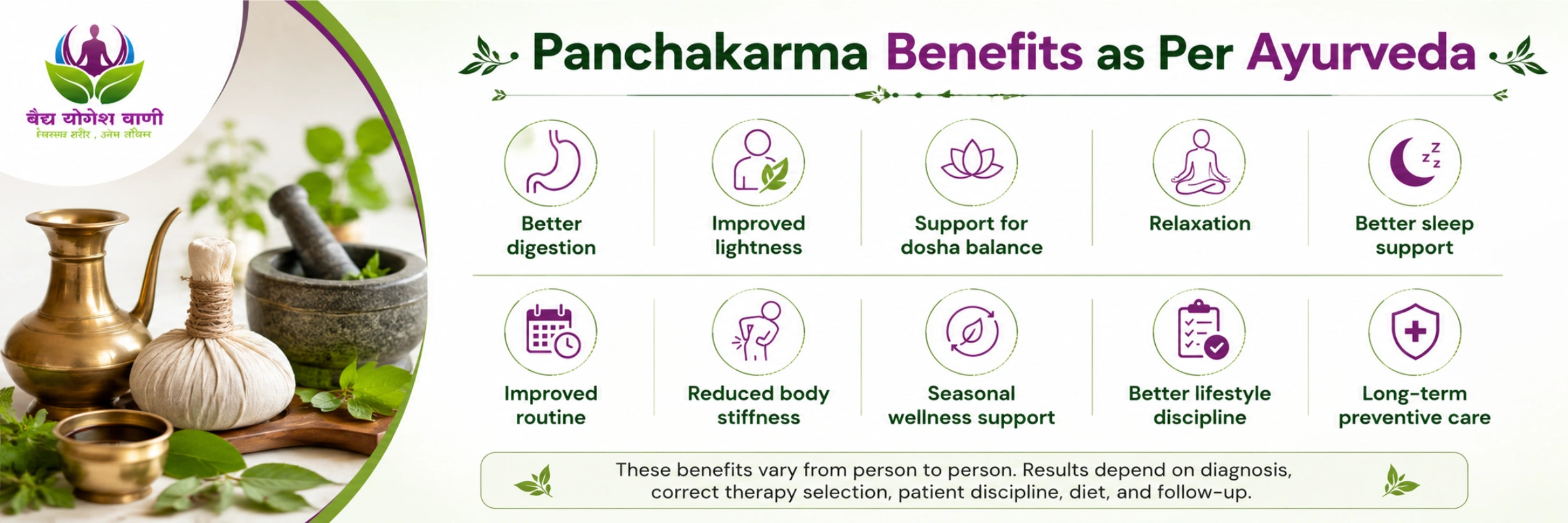
Traditional Panchakarma benefits may include:
- Better digestion
- Improved lightness
- Support for dosha balance
- Relaxation
- Better sleep support
- Improved routine
- Reduced body stiffness
- Seasonal wellness support
- Better lifestyle discipline
- Long-term preventive care
These benefits vary from person to person. Results depend on diagnosis, correct therapy selection, patient discipline, diet, and follow-up.