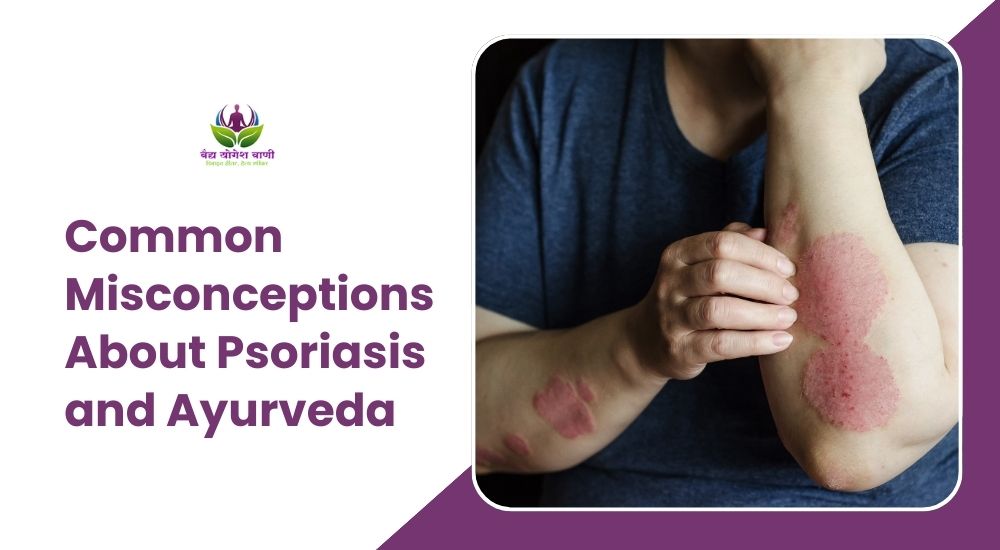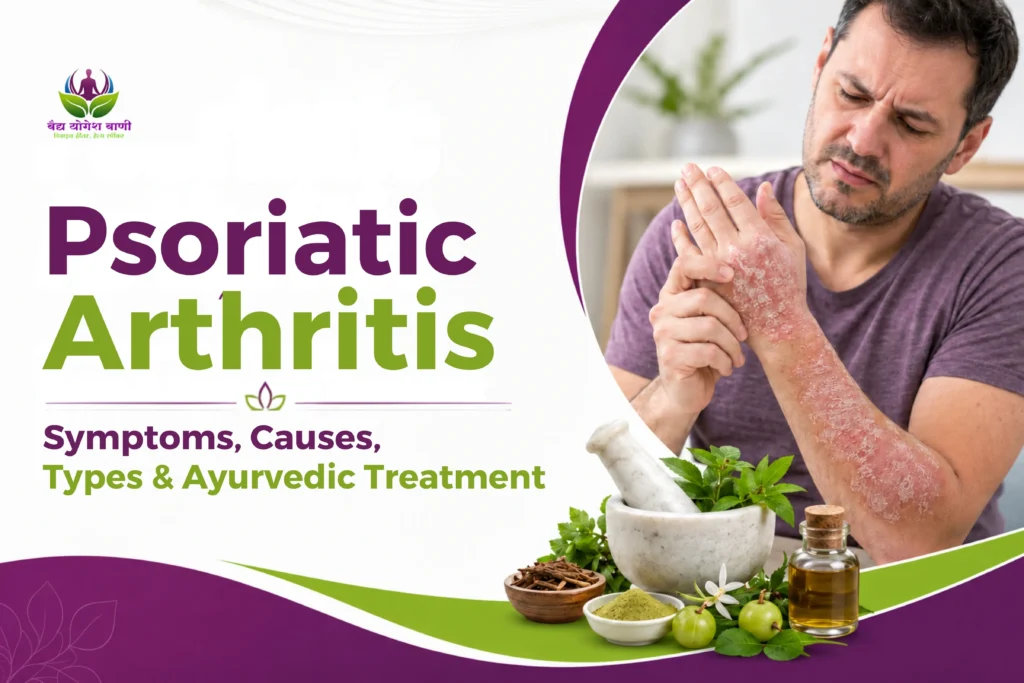
Psoriatic arthritis is a long-term inflammatory joint condition that is commonly linked with psoriasis, a skin disease that causes red, scaly, itchy, or flaky patches. The condition has the potential to impact joints, skin, nails, fingers, toes, spine, heels, and total body movement. It is generally believed that psoriasis exists as a skin condition, but certain instances show that it can also impact joints and result in pain, together with swelling and stiffness.
So, in case you’re searching for psoriatic arthritis symptoms, their causes and its ayurvedic treatment then this article is your one-stop solution were will provide in-depth details about early symptoms, types, clinical diagnosis, ayurvedic treatment and dietary changes for Psoriatic arthritis.
What Is Psoriatic Arthritis?
Psoriatic arthritis, also known as PsA, is a chronic inflammatory arthritis related to immune system activity. It causes pain, swelling, and stiffness in the joints and may also affect entheses, which are the areas where tendons and ligaments attach to bones.
In many people, psoriasis appears before joint symptoms. However, in some cases, joint pain may appear before visible skin patches. This is why early diagnosis is important, especially if a person has psoriasis, nail changes, or unexplained joint pain.
Psoriatic arthritis may affect one joint or many joints. It may be mild in some people and more serious in others. Symptoms can also come and go in flare-up cycles.
Early Symptoms of Psoriatic Arthritis
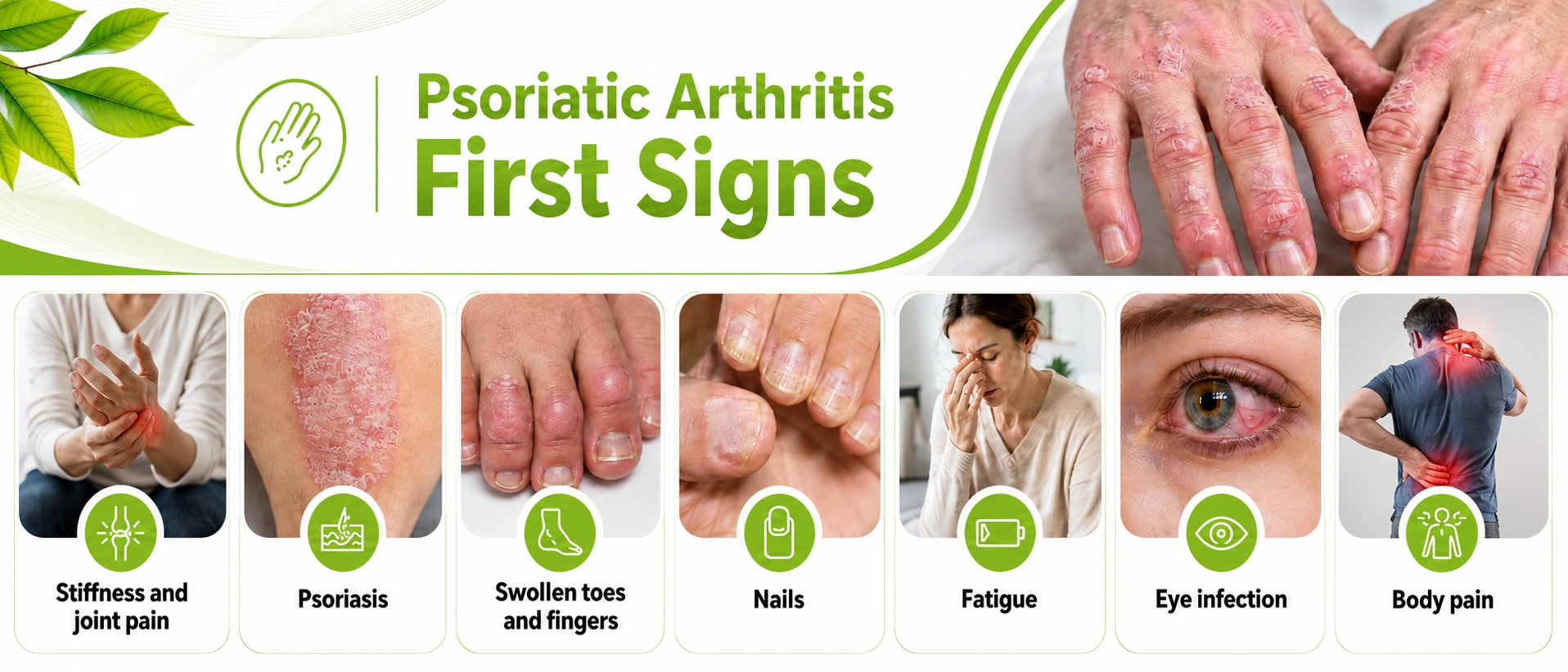
The early symptoms of psoriatic arthritis very from person to person and are pretty difficult to identify.
1. Stiffness and joint pain: swelling and stiffness along with joint pain are the most common symptoms.
2. Psoriasis: a condition where skin cells grow more rapidly resulting in thick and itchy patches on the skin surface. These are the early symptoms for psoriatic arthritis as well.
3. Swollen toes and fingers: dactylitis, also commonly known as sausage digit, are the most common symptoms. Excess swelling in finger and toe digits are often results in easy diagnosis of this condition.
4. Nails: due to psoriatic arthritis the issues of nail pitting, thick nails, lifting in nails and discoloration along with brittle nails are common.
5. Fatigue: fatigue and tiredness are also most common symptoms.
6. Eye infection: in come extreme cases the pain and redness in the eyes are also observed as one of the symptoms.
7. Body pain: body pain and stiffness specially during morning is also a very common symptoms.
Causes of Psoriatic Arthritis
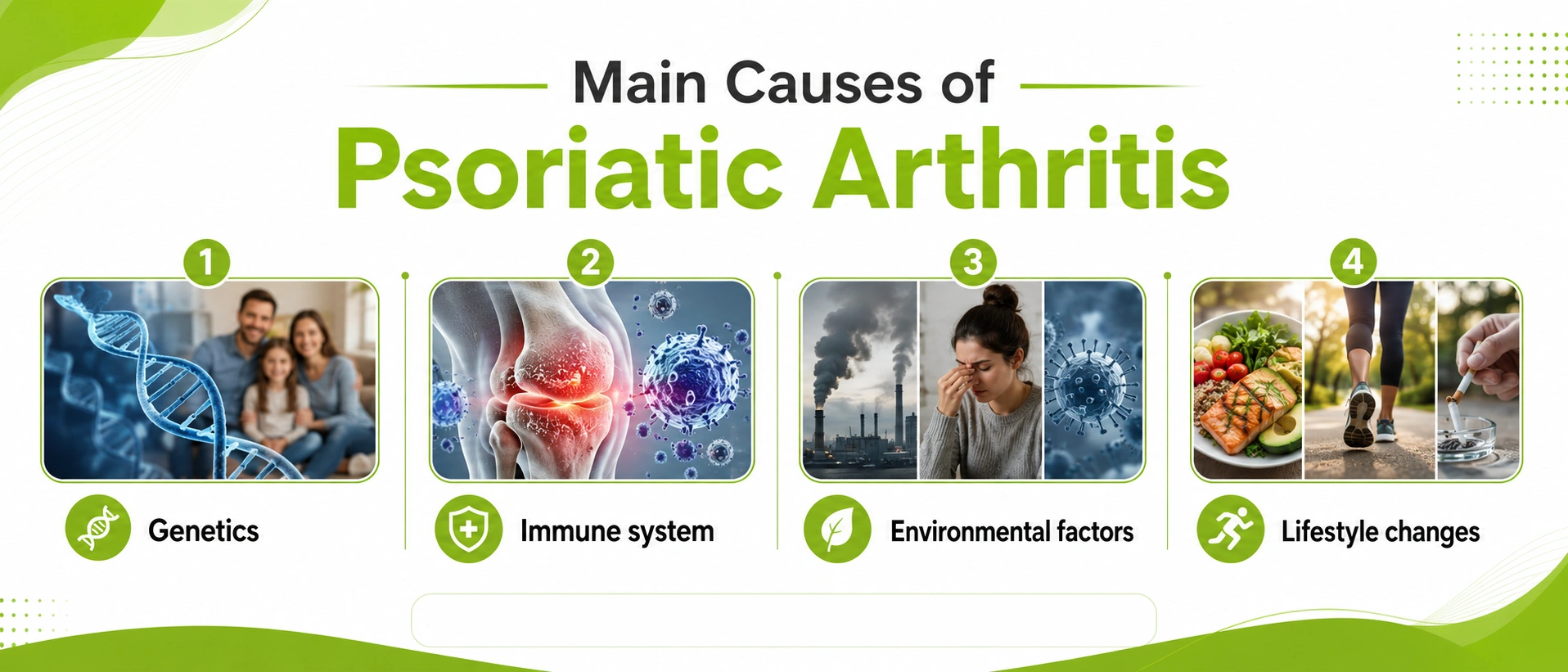
In this condition a immune system start attacking the healthy joint cells and skin cells. Though it is hard to pin point the exact reasons that cause Psoriatic arthritis but the most close medical reason can be due to weak immune system.
1. Factors that most commonly cause Psoriatic Arthritis:
2. Genetics: family history of psoriasis and PsA can increase the risk of this condition to multifold. HLA-B27 gene is most commonly responsible for psoriatic arthritis are found in person suffering from Psoriatic arthritis.
3. Immune system: weak immune system can mistakenly start attacking its own healthy joint and skin cells thus resulting in inflammation and joint pain along with psoriasis condition.
4. Environmental factors: many environmental factors like stress, physical injury, skin infections, allergies can trigger this condition.
5. Lifestyle changes: common lifestyle patterns like smoking, irregular sleep cycles, obesity etc can also be considered as one of the reasons for triggering the psoriatic arthritis.
Types of Psoriatic Arthritis
Understanding the type of psoriatic arthritis helps in choosing the right treatment plan.
Ayurvedic View of Psoriatic Arthritis
Ayurveda explains psoriatic arthritis through Vata, Pitta, Kapha, Ama, Rakta Dhatu and Asthi Dhatu based on the patient’s symptoms and body constitution. Vata imbalance causes joint pain and stiffness, dryness and limited movement. Pitta involvement shows through skin redness, burning, skin inflammation and flare-ups. Whereas, the presence of Kapha shows through body swelling, heavy body feeling and sluggish body metabolism.
Ayurveda defines Ama as toxic metabolic waste which remains undigested because of weak digestion. The combination of Ama with dosha imbalance leads to inflammation, stiffness, skin problems and joint pain.
Some Ayurvedic discussions relate psoriatic arthritis-like symptoms with conditions such as Vatarakta and Kushtha, but treatment should always be personalized by a qualified Ayurvedic doctor.
Ayurvedic Treatment for Psoriatic Arthritis
Psoriatic Arthritis Treatment in Ayurveda focuses on six main goals which include improving digestion, eliminating Ama, achieving dosha equilibrium, controlling inflammation, enhancing joint movement, and promoting skin wellness. The treatment functions as a unique personal management system but, it does not in any way guarantee a cure.
Before starting the treatment it is important to clinically diagnose the actual condition by:
- Conducting a blood test
- Scan tests like: X-Ray and CT-Scan
- Skin biopsy
1. Nidana parivarjana
This is the first step in Ayurvedic treatment of psoriatic arthritis. Here the focus is on controlling the condition by reducing the instant trigger for this condition, either through dietary or lifestyle changes.
2. Ayurvedic Detoxification
Ayurvedic Detoxification is through Panchkarma (sodhna) therapy. This therapy includes a series of detox treatments including Virechana (pumigation), Basti (enema), Swadana (steam therapy – reduce swelling and toxins through sweating) and Abhyanga (oil massage of body). These therapies are designed to remove excess toxins from the body and reduce inflammation which eventually provide pain relief.
3. Ayurvedic herbal remedies
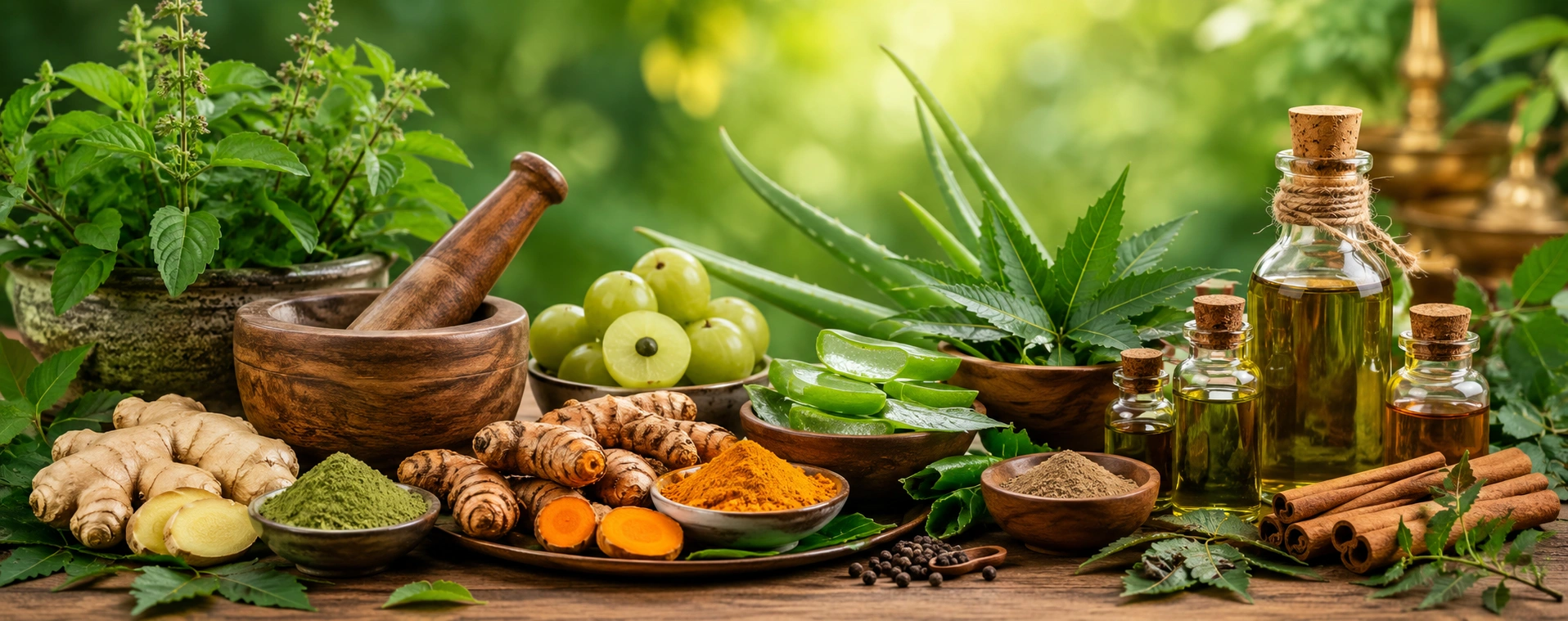
Shamana chikitsa a type of pacifying treatment. Here Ayurvedic herbs are used as treatment method. But it is suggested to always consume these herbs after having detailed consultation with a practitioner ayurvedic doctor to avoid any instances of trigger or allergies.
Herbal remedies include:
- Yograj Guggula: This herb is helpful in reducing join pain and swelling.
- Turmeric (haldi): is best for its anti-inflammatory properties, thus have significant effect in reducing inflammation.
- Ashwagandha: this herb is best known for boosting immunity in body thus work as an energy source and reduce fatigue.
- Boswellia: this herb helps in managing the symptoms and provide instant pain relief.
4. Dietary and lifestyle changes
Ayurveda follows ama pachana therapy for improving the digestion and helping in developing a healthy digestive system. According to Ayurved half of the health issues in human body is due to weak digestive system and unhealthy dietary habits.
Diet correction through removing unhealthy and saturated fat based food products with healthy fiber and carb balanced, omega-3 and protein rich food is effective during treatment process according to Ayurveda.
Dietary changes includes:
consumption of anti-inflammatory
- food grains: barley and oats.
- Green vegetables: better guard, bottle guard and green leafy vegetables
- Healthy fat: ghee (in limited amount)
- Fruits: apples, pomegranates, and papaya
- Spices: turmeric, ginger and cumin
To reduce inflammation avoid consumption of dairy and nightshades like tomato and chillies.
Irregular sleep cycles, stress, smoking and consumption of alcohol can also act as trigger for psoriatic arthritis thus, Apart from dietary changes in lifestyle patterns are equally important. Regular exercise, yoga, pranayam and other physical exercise on daily basic are must for controlling the symptoms of psoriatic arthritis.
Can Ayurveda Cure Psoriatic Arthritis?
The existing medical literature states that psoriatic arthritis remains an incurable condition which requires treatment to control its symptoms and decrease joint damage through inflammation control.
The Ayurvedic system provides various methods for symptom control which include methods for correcting digestion, achieving dosha balance, implementing dietary and lifestyle adjustments, and using Panchakarma and herbal treatments. The system needs to provide emergency treatment and medical diagnosis together with prescribed treatments. Patients should follow medical guidelines while receiving Ayurvedic treatment from qualified professionals because this constitutes the safest method of treatment for their condition.
Final Thoughts
Psoriatic arthritis causes joint pain but it also causes various other symptoms. The condition manifests as a persistent inflammatory disease which impacts multiple body parts including joints and skin and nails and spine and daily activities. People should pay attention to early symptoms which include joint swelling, morning stiffness, nail changes, heel pain and psoriasis flare-ups.
Ayurvedic treatment for psoriatic arthritis may support long-term management by focusing on digestion, Ama reduction, dosha balance, diet, lifestyle, and joint comfort. Patients require different approaches to their treatment. Patient treatment requires customized care which trained medical experts must create.