
Have you ever awakened suddenly at night with a severe pain in your big toe or other joints? If yes, then you are aware of the pain caused by gout. Gout is characterized by burning sensation, joint inflammation and stiffness that cannot be ignored easily. The saddest thing is most people do not realize that their regular diet is worsening the condition.
The good thing is that the proper food has the ability to treat gout naturally at home when combined with appropriate medical guidance. There is no need to alter your whole life completely. Small changes in your daily eating habits will bring down the level of uric acid in your body and stop the occurrence of gout attacks. In this blog, we are going to share the list of healthy foods for gout patients and those to avoid. Let’s get started.
Top Foods for Gout Relief and Management
Before we get into the list, here is one thing you need to understand. Gout simply happens when uric acid starts building up in your blood, and then it forms tiny crystals in your joints. So the goal of a gout friendly diet is pretty simple—eat foods that are low in purines and help sort of clear, uric acid out of your body naturally. Here are given top foods for gout relief:
1. Vegetables: A Great Choice for Gout
Vegetables are one of the most recommended food choices for gout patients. This is because vegetables contain very low amounts of purines, and thus do not raise the level of uric acid in the body. Vegetables are also rich in antioxidants and vitamins that fight inflammation.
You can freely eat these vegetables every day –
- Bottle gourd (lauki)
- Ridge gourd (turai)
- Cucumber
- Carrot
- Capsicum
- Sweet potato
- Tomato
- Cabbage
- Lettuce
- Brinjal (baingan)
Even vegetables like spinach, broccoli and cauliflower – which have slightly higher purine content – are still safe for gout patients according to research. So do not be afraid of vegetables. Fill your plate with them every single day.
2. Low-Fat Dairy Products
Here is something most gout patients do not know – low-fat dairy products are actually really helpful for gout. Studies have shown that low-fat milk, curd and paneer can help reduce uric acid levels in the blood. They also provide good quality protein without the high purine content that comes from meat.
Research published in the Journal of Dairy Science found that consuming more low-fat dairy and yogurt may help lower uric acid levels and reduce gout flare-ups.
So instead of full-fat milk or cream, switch to low-fat options. A glass of low-fat milk in the morning, some curd with lunch and a small piece of paneer at dinner – this simple routine can make a real difference over time for gout patients.
3. Cherries and Whole Fruits
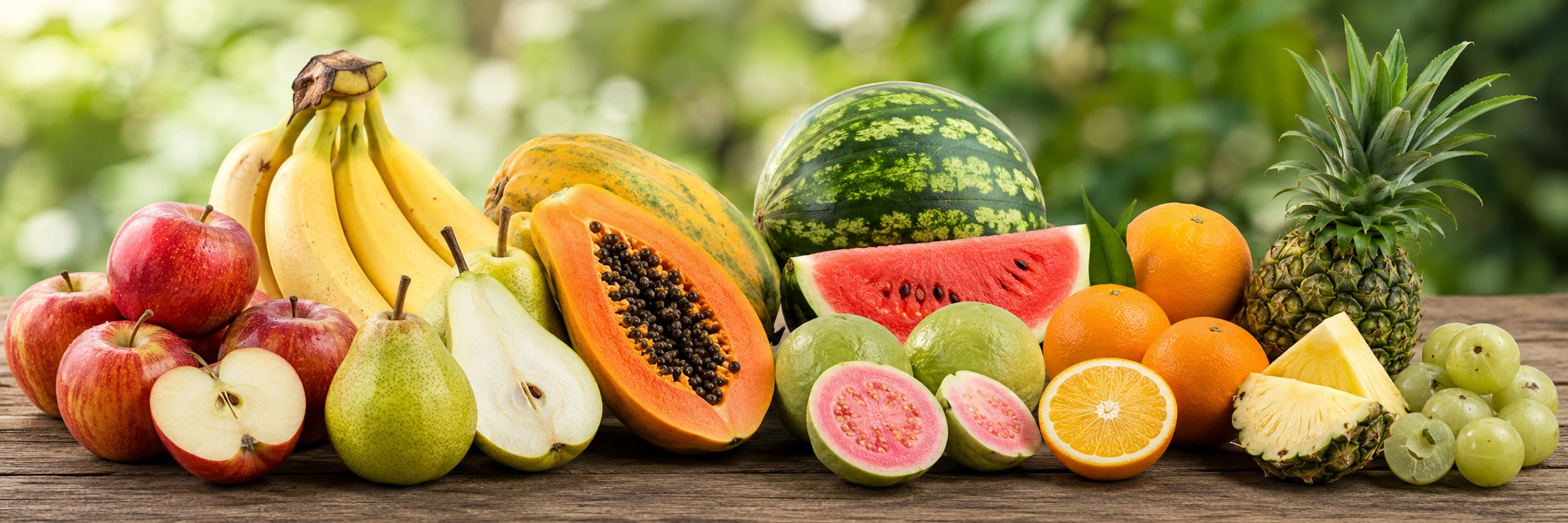
Cherries are considered one of the best fruits for gout patients. They contain natural compounds called anthocyanins that help reduce inflammation and lower uric acid levels in the body. If you can find fresh cherries in India, add them to your daily routine. Even cherry juice works well.
Other fruits you can eat freely –
- Apple
- Banana
- Pear
- Papaya
- Watermelon
- Guava
- Pineapple
- Orange
- Amla (Indian gooseberry)
Amla is especially great for gout patients because it is extremely rich in Vitamin C – and Vitamin C is known to help reduce uric acid levels naturally. Try having one fresh amla every morning for best results.
4. Whole Grains
Refined flour (maida) and white rice raise insulin levels in your body which in turn increases uric acid. This is why switching to whole grains is one of the smartest moves a gout patient can make. Whole grains are digested slowly, keep your blood sugar stable and do not spike uric acid levels.
Good whole grain options for Indian gout patients –
- Brown rice
- Bajra (pearl millet)
- Jowar (sorghum)
- Oats
- Barley (jau)
- Ragi (finger millet)
- Quinoa
- Whole wheat chapati
Replace your white rice with brown rice and your maida roti with whole wheat or bajra roti. These small swaps in your daily Indian meals can slowly but steadily improve your gout condition over time.
5. Beans, Lentils and Other Plant Proteins
Many gout patients are scared of dal and beans because they have heard that protein is bad for gout. But that is not completely true. Plant-based proteins like lentils and beans are actually much safer than animal proteins for gout patients. They contain moderate purines but do not trigger gout attacks the way meat does.
Good plant protein choices –
- Moong dal
- Masoor dal
- Chana dal
- Rajma (in moderation)
- Tofu
- Soybean
According to Healthline, all legumes including lentils, beans, soybeans and tofu are generally fine for gout patients. So do not give up your dal completely – just keep the portions reasonable and avoid frying them in heavy oil or ghee.
6. Nuts and Seeds
Nuts and seeds are a great snack option for gout patients. They are low in purines, rich in healthy fats and help reduce inflammation in your body. Instead of reaching for biscuits or namkeen between meals – grab a small handful of nuts instead.
Best nuts and seeds for gout patients –
- Walnuts
- Almonds
- Flaxseeds (alsi)
- Sunflower seeds
- Pumpkin seeds
- Chia seeds
A 2021 study found that walnuts and pine nuts helped reduce gout risk in young adults. So keep a small box of mixed nuts on your desk or kitchen counter and snack on them guilt-free every day.
7. Eggs and Moderate Amounts of Lean Protein
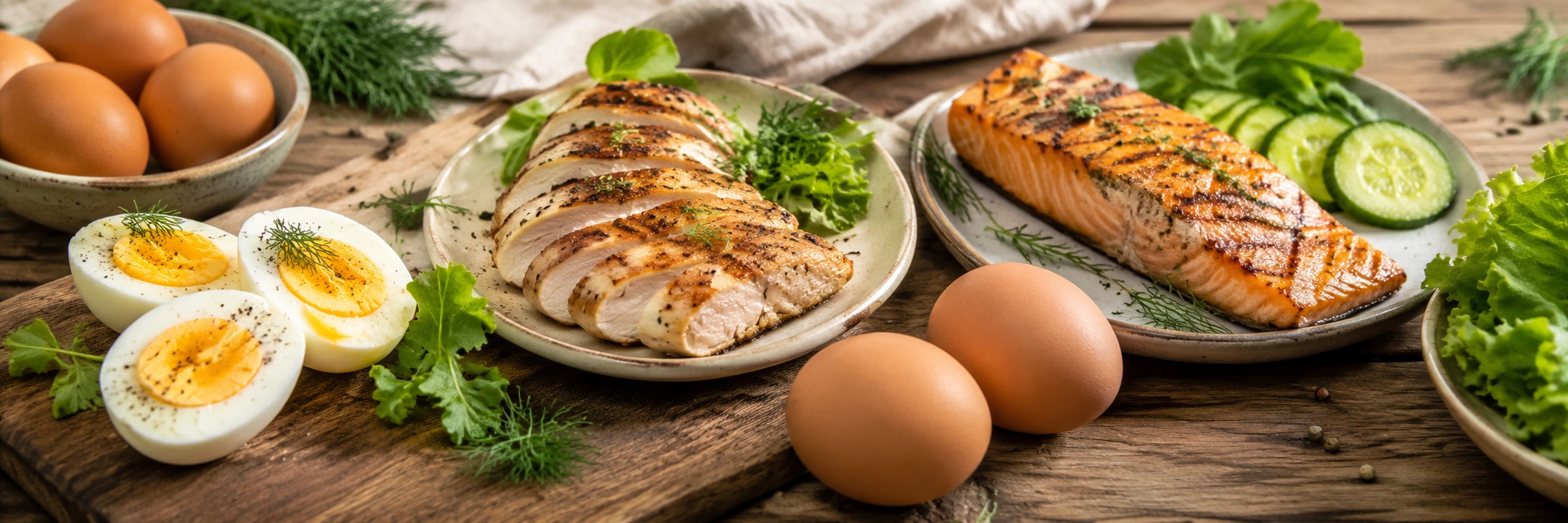
Eggs are one of the safest protein sources for gout patients. They are naturally very low in purines and easy for your body to digest. If you are a non-vegetarian and missing protein in your gout diet – eggs are your best friend.
You can have 1-2 eggs per day without worrying about uric acid. Boiled eggs are the healthiest option. Avoid frying them in too much oil or butter. Apart from eggs, small amounts of chicken breast (without skin) can also be included occasionally – but keep the portions small and do not eat it every day.
8. Drink Plenty of Water
This one sounds simple but most gout patients do not drink enough water – and that is one of the biggest reasons their condition keeps getting worse. Water helps your kidneys flush out excess uric acid from your body. When you are dehydrated, uric acid builds up faster and gout attacks become more frequent.
Aim for at least 8-10 glasses of water every day. If plain water feels boring, you can add a slice of lemon or some cucumber to make it more refreshing. Coconut water is also an excellent choice for gout patients as it helps in natural detoxification and keeps you hydrated throughout the day.
9. Coffee May Be an Option
This might surprise you – but some research suggests that moderate coffee consumption may actually help reduce uric acid levels. Coffee contains compounds that can help your body process and remove uric acid more efficiently.
However – and this is important – if you have other health conditions like high blood pressure, acidity or heart problems, please consult your doctor before adding coffee to your routine. Also, avoid adding too much sugar or full-fat milk to your coffee. A simple black coffee or coffee with low-fat milk in moderate amounts is what research points to. Do not start drinking coffee just for gout if you are not used to it – talk to your doctor first.
Foods Gout Patients Should Limit or Avoid
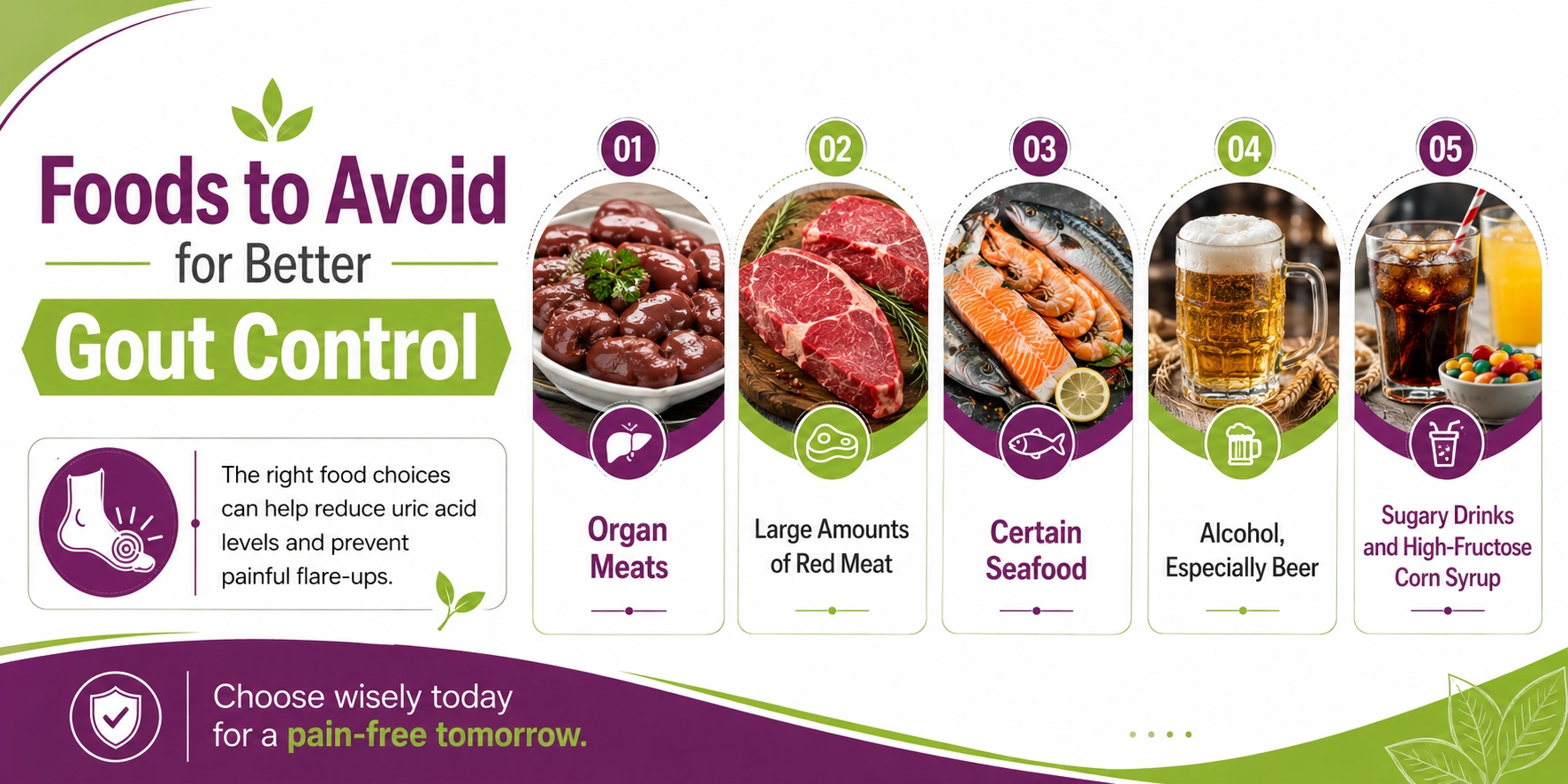
Now that you know what to eat – let us talk about what you should stay away from. These foods are high in purines and can quickly trigger painful gout attacks.
1. Organ Meats
Organ meats like liver, kidney, brain and heart are extremely high in purines. Beef, pork, lamb, and organ meats like liver, kidneys and sweetbreads are very high in purines and eating large amounts can raise uric acid levels significantly and increase the risk of gout attacks. If you love eating these foods – it is time to stop or at least reduce them drastically for the sake of your joint health.
2. Large Amounts of Red Meat
Red meat like mutton, beef and pork should be avoided or eaten very rarely. Even small portions eaten regularly can slowly raise your uric acid levels over time. If you cannot give up non-vegetarian food completely – stick to small amounts of chicken breast and avoid red meat as much as possible.
3. Certain Seafood
Not all seafood is equal for gout patients. Fish like sardines, anchovies, mackerel and shellfish like prawns and crabs are very high in purines and should be avoided. If you love fish – choose lower purine options like salmon occasionally and in small amounts only.
4. Alcohol, Especially Beer
Alcohol is one of the biggest triggers for gout attacks – especially beer. Beer contains both alcohol and purines from yeast, making it a double threat for gout patients. Even a single night of heavy drinking can trigger a painful gout flare-up the very next morning. If you want to control your gout – cutting out alcohol completely is one of the most effective steps you can take.
5. Sugary Drinks and High-Fructose Corn Syrup
Cold drinks, packaged fruit juices, energy drinks and sweetened beverages are all bad for gout. They contain high amounts of fructose which increases uric acid production in your body. Many packaged Indian snacks and sweets also contain hidden fructose. Read labels carefully and avoid these as much as possible.
If you are serious about controlling your gout – avoiding sugary drinks is just as important as avoiding meat.
Ayurvedic Tips for Gout Patients
In Ayurveda, gout is known as Vatarakta – a condition caused by the imbalance of Vata dosha and accumulation of toxins in the blood. Along with a proper diet, These simple Ayurvedic tips can help you manage gout more effectively, especially when combined with a personalized Ayurvedic treatment for gout plan.
- Giloy (Guduchi) – Giloy is one of the most powerful Ayurvedic herbs for gout. It helps purify the blood and reduce uric acid levels naturally. You can take giloy juice every morning on an empty stomach for best results.
- Turmeric (Haldi) – Turmeric contains curcumin which is a natural anti-inflammatory compound. Adding turmeric to your daily cooking or drinking haldi milk at night can help reduce joint pain and swelling caused by gout.
- Triphala – Triphala helps cleanse the digestive system and remove toxins from the body. When your digestion is good, uric acid is processed and eliminated more efficiently. Take Triphala powder with warm water before bed.
- Neem leaves – Neem has natural blood-purifying properties that are very useful for gout patients. Neem leaf extract or neem tablets taken under Ayurvedic guidance can help reduce uric acid levels over time.
- Warm water with lemon – Starting your morning with a glass of warm water and fresh lemon juice is a simple but powerful Ayurvedic habit. It helps alkalize your body and supports the kidneys in flushing out excess uric acid daily.
Is a Low-Purine Diet Enough to Control Gout?
A low-purine diet is very helpful – but it is not always enough on its own. Diet can reduce uric acid levels by around 10-15% but many gout patients also need proper medical treatment alongside dietary changes. The best results come when you combine a healthy gout-friendly diet with the right treatment, proper hydration, regular exercise and expert guidance from a qualified Ayurvedic doctor.
Conclusion
Gout is painful – but it is also very manageable when you make the right food choices. The simple truth is that your kitchen holds the power to either trigger your gout or help heal it. Load your plate with vegetables, whole grains, low-fat dairy and fresh fruits. Drink plenty of water. Avoid organ meats, alcohol, sugary drinks and red meat as much as possible.
And remember – food alone is a great starting point, but for long-term relief you need a complete approach. At Dr. Yogesh Vani’s Ayurvedic Clinic, gout patients are treated with personalised herbal medicines, dietary guidance and Panchakarma therapies that work on the root cause – not just the symptoms. If your gout keeps coming back despite diet changes, it may be time to take expert Ayurvedic help. Your joints deserve proper care – and the sooner you start, the better you will feel.